
In today’s hyper-competitive HR landscape, successful recruitment is no longer just about filling immediate vacancies. It’s about playing the long game. Learning how to nurture talent pools and re-engage past candidates has shifted from a “nice-to-have” HR tactic to a critical business strategy.
Instead of starting your candidate search from scratch every time a new role opens, smart organizations are shifting toward proactive candidate relationship management (CRM). By curating a robust pipeline of pre-qualified talent, you can drastically reduce your time-to-hire, lower recruitment costs, and building a magnetic employer brand.
What Is a Talent Pool?
A talent pool is a centralized database containing qualified, high-potential individuals who have already demonstrated interest in your organization. This includes past applicants, “silver medalist” candidates (those who made it to the final rounds but weren’t selected), passive job seekers, internal employees, and professional event attendees.
The Goal of Talent Pool Management: To maintain a warm, highly searchable network of skilled professionals so that when a vacancy arises, your next star hire is already just an email away.
Why Is it Important to Curate and Nurture a Talent Pool?
An empty or neglected database is a wasted resource. Actively curating and nurturing your talent pool provides several distinct competitive advantages:
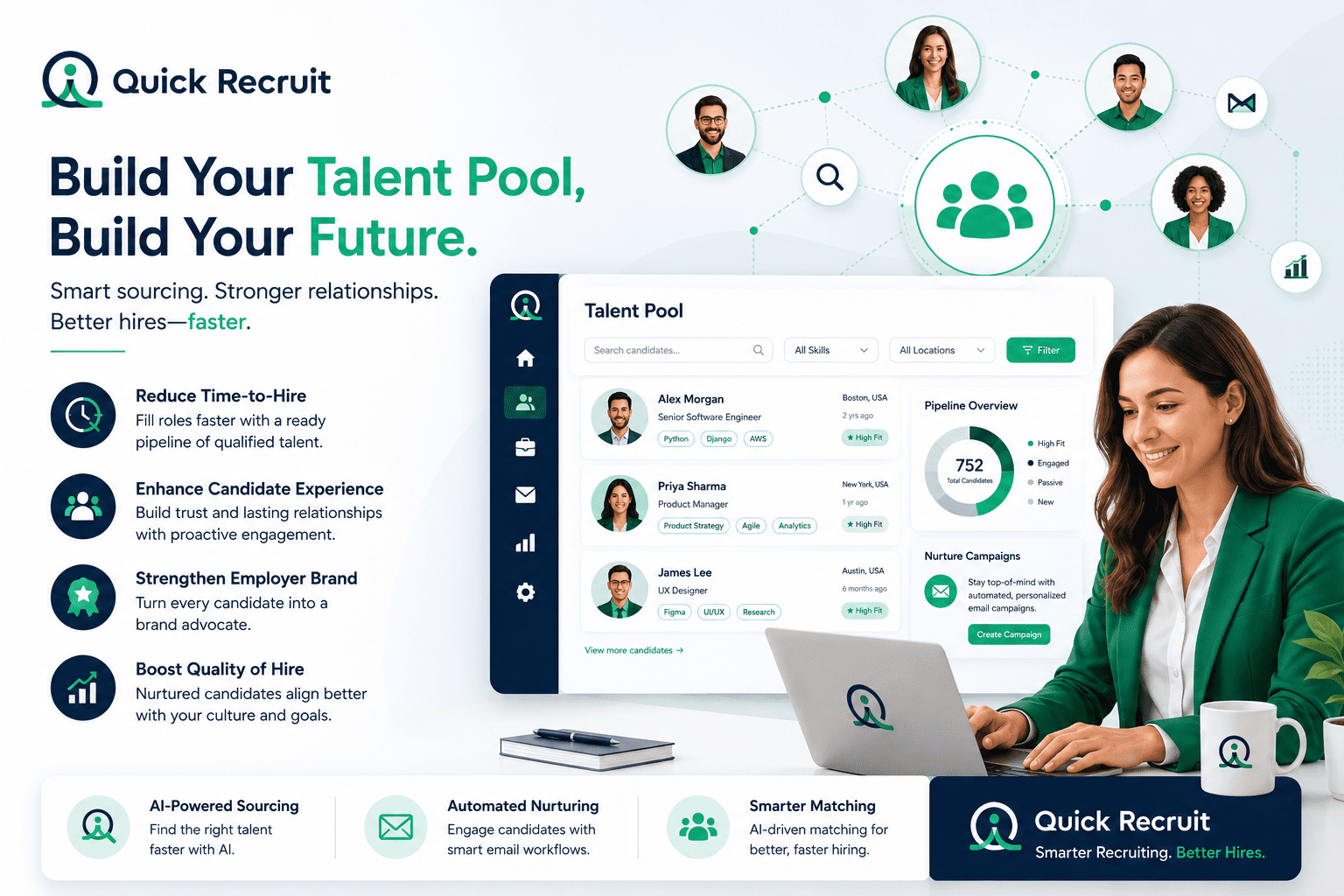
- Drastically Reduces Time-to-Hire: Skip the weeks spent posting jobs and waiting for applicants. Your talent pool serves as an instant sourcing ground.
- Improves Candidate Experience: Regular, value-driven communication fosters an environment of trust and mutual respect.
- Enhances Employer Branding: When candidates feel valued—even if they didn’t get the job initially—they become brand ambassadors who recommend your company to others.
- Boosts Quality of Hire: Nurtured candidates have a deeper understanding of your company culture and values, leading to better long-term retention.
How to Build a Strong Talent Pool: 5 Proven Sourcing Strategies
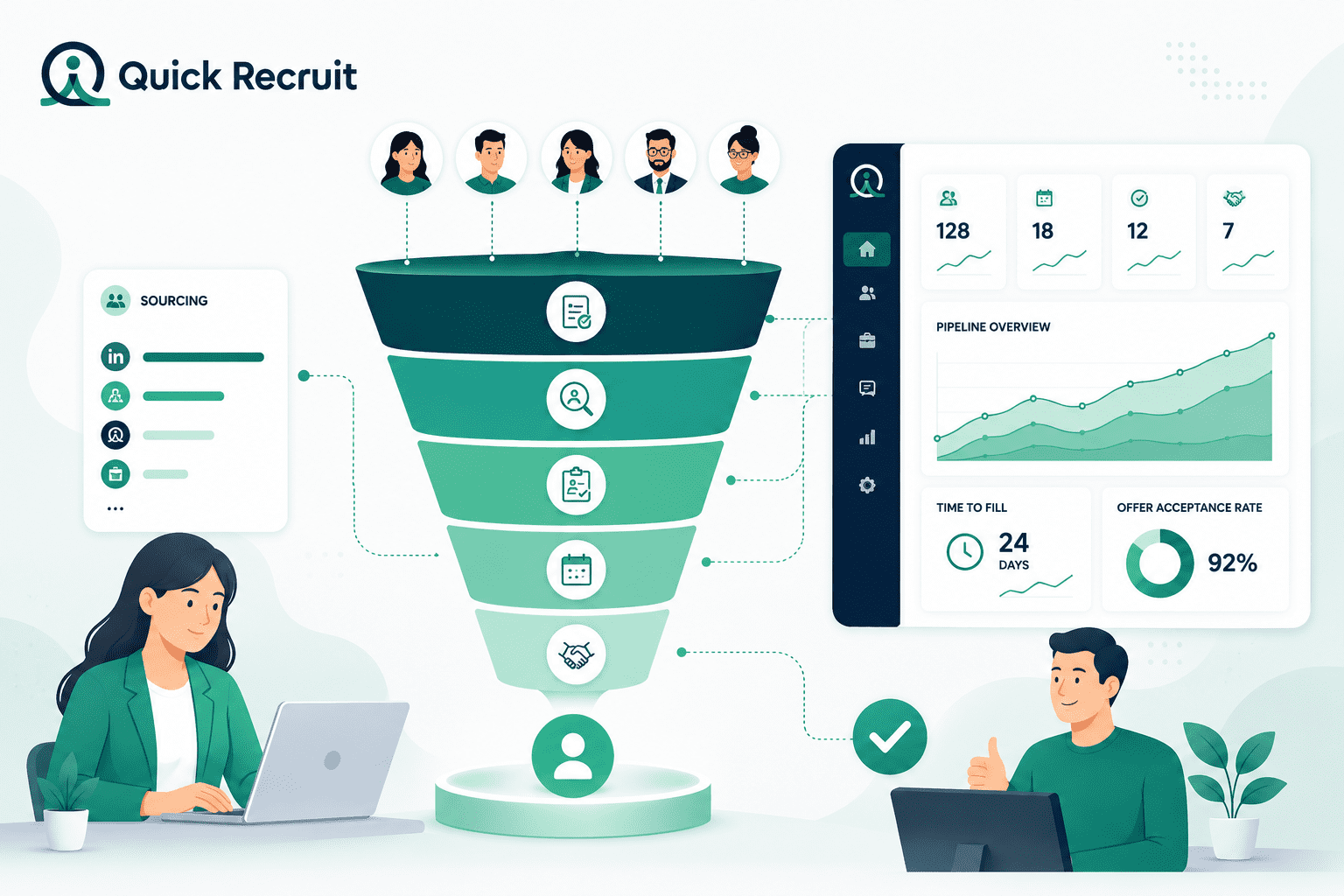
Creating an agile talent pipeline requires a systematic approach that integrates multiple sourcing channels into your Applicant Tracking System (ATS) or recruiting CRM.
1. Smart CV Search & AI Screening
Traditional database searching can feel like looking for a needle in a haystack. By leveraging advancements in AI recruitment technology, you can instantly scan, parse, and sort through thousands of archived resumes. Modern AI tools assess skill relevance, experience depth, and potential cultural fit, allowing you to resurface hidden gems already sitting in your database.
2. Streamlined Candidate Registrations
Don’t let passive talent leave your website empty-handed. Create a dedicated, highly visible “Join Our Talent Network” registration page on your career portal. Keep the registration form short, simple, and mobile-friendly. The lower the friction to join, the more top-tier passive candidates you will capture.
4. Strategic Social Media Recruiting
Social media platforms like LinkedIn, X (Twitter), Facebook, and Instagram are goldmines for passive candidate engagement. Beyond just posting job openings, use your social channels to showcase your company culture, employee spotlights, and business achievements. Engaging content naturally attracts professionals who align with your core values.
5. Interactive Career Fairs & Networking Events
Whether virtual or in-person, career fairs offer an invaluable opportunity for face-to-face connection. Use these events to pitch your employer value proposition (EVP). Ensure your recruiting team is equipped with QR codes or digital sign-up sheets to seamlessly capture attendee contact information and feed it directly into your talent pipeline.
6. Automated Email Nurture Campaigns
Once talent enters your database, you must keep them engaged. The secret lies in segmentation. Divide your talent pool into targeted lists based on skill sets, experience levels, or departments.
- What to send: Share company updates, industry insights, thought leadership blogs, and relevant job opportunities.
- Best Practices: Write compelling subject lines to increase open rates, keep copy personalized, and always include a clear call-to-action (CTA). Regular, non-intrusive email touchpoints ensure your organization stays top-of-mind when a candidate is ready to make their next career move.
Fostering Relationships with Past Candidates (The Silver Medalists)
The cornerstone of talent pool management is how you treat the people you didn’t hire. True candidate relationship management means maintaining a positive, professional connection with everyone who goes through your interview process.
| Best Practice | How to Implement It |
| Timely Communication | Never leave candidates in the dark. Let them know where they stand as soon as a decision is made. |
| Constructive Feedback | Provide actionable, polite feedback to final-round candidates. They will respect your transparency. |
| Show Sincere Appreciation | Acknowledge the time and effort they invested in interviewing with your company. |
By treating unsuccessful applicants with empathy and respect, you leave the door wide open for future collaboration. A candidate who wasn’t the right fit for a senior role today might be the absolute perfect match for a leadership role tomorrow.
Optimize Your Recruiting Workflow with Q-Recruit
Building, segmenting, and nurturing a dynamic talent pool doesn’t have to be a manual burden. With Q-Recruit’s intelligent sourcing, automated email workflows, and AI-driven candidate matching, you can turn your database into your most powerful hiring asset.
Ready to transform your recruitment strategy? Contact Q-Recruit today to see how our talent management solutions can help you engage top talent on autopilot.